


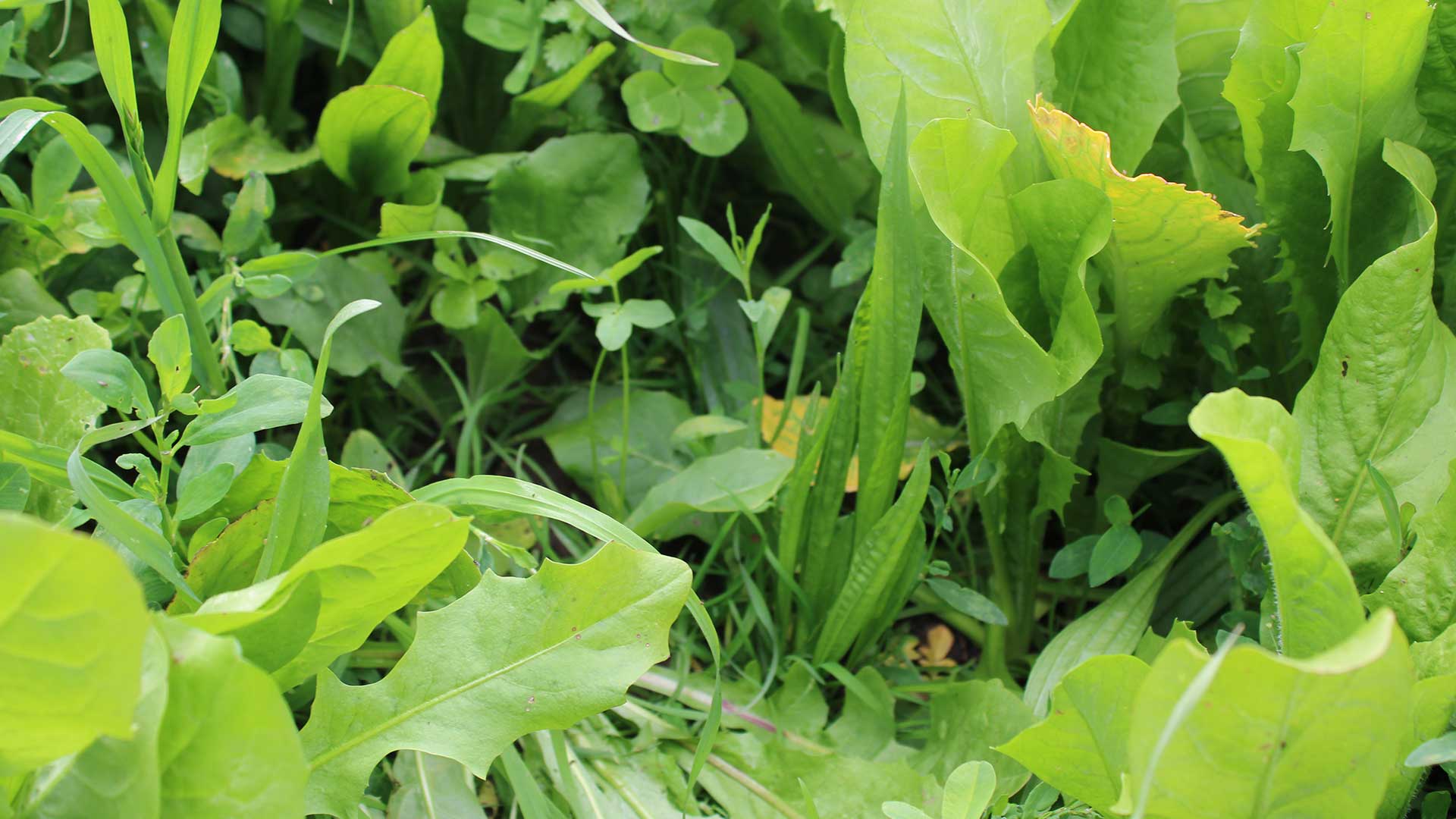
Summer EXTRA Multi Species Blend combines millet, oats, legumes, brassicas, herbs and flowering species to produce quality summer forage while increasing plant and root diversity. Learn about sowing rates, timing, establishment and how the 14 species work together.
Summer can be one of the more difficult periods to plan forage for. Late spring conditions can change quickly, rainfall can be hit and miss (you could be 1km and 25mm away from a downpour).
That thinking has gone into our Summer EXTRA Multi Species Blend. Rather than relying on one or two forage species, Summer EXTRA combines 12+ different grasses, cereals, legumes, brassicas, herbs and flowering plants, with each playing a different role in the paddock.
It fits particularly well into regenerative farming systems where the aim is to produce useful livestock feed while increasing plant diversity, root diversity, ground cover and soil health.
The objective is fairly simple: grow quality summer forage while getting as much diversity working above and below the ground as possible.
What’s in Summer EXTRA?
The backbone of the blend is Shirohie Millet, making up 30% of the mix. Millet gives us reliable summer dry matter production, good grazing quality and the ability to regrow after grazing when moisture is available.
Saia Oats are included at 14%. They are particularly useful in earlier spring sowings, providing quick establishment, early ground cover and feed while the warmer-season species get going.
The legume component is deliberately diverse. Popany Vetch, Fenugreek, Reaper Red Clover, Arrowleaf Clover and Crimson Clover provide high-quality forage while also fixing atmospheric nitrogen. Rather than relying on one legume, we have species with different growth habits and maturity patterns working alongside each other.
Rifleman Forage Brassica and Pasja II Leafy Turnip add highly digestible, leafy forage. They establish quickly and help lift the overall feed quality of the stand without being included at rates where they should dominate the mix.
We then have Oracle Plantain and Chico Chicory. Both provide high-quality grazing and, importantly, introduce different root structures to the paddock. Their deeper root systems can explore a different part of the soil profile to many of the shallower-rooted species.
Finally, Black Sunflower, Buckwheat and Linseed add another layer of diversity. While we don’t expect these species to provide the bulk of the grazing, they contribute different rooting patterns, canopy structures, flowering plants and organic matter.
Put together, we have plants growing at different heights, rooting at different depths and reaching grazing maturity at different times.
Why so many species?
We aren’t adding species simply to make a long list.
Every species needs to have a job.
A key principle behind regenerative agriculture is keeping a diverse range of living plants and roots growing wherever practical.
Some are there primarily for bulk feed, some for feed quality and protein, some for nitrogen fixation, while others contribute root diversity, soil cover and flowering plants.
That becomes particularly valuable through summer because conditions rarely favour every species equally.
A dry period might favour one group of plants, while rainfall and cooler conditions may favour another. Having that diversity helps spread the seasonal risk rather than having the whole paddock dependent on the performance of a single forage species.
It also creates a diverse diet for livestock, with a mixture of grasses, legumes, brassicas and herbs available within the same grazing.
Getting establishment right
Summer EXTRA can be sown at 30–50 kg/ha, with the higher end of the rate generally preferred where we’re looking to establish a dense, productive forage stand.
Seed placement is particularly important because we’re dealing with seed ranging from larger millet, oat, vetch and sunflower seed through to very small clover, brassica and herb seed.
Aim for a sowing depth of around 10–20 mm into a well-prepared seedbed with good seed-to-soil contact. Avoid planting the blend too deep. The smaller-seeded components need to establish successfully if we’re going to achieve the diversity we’re looking for.
When should it be sown?
The main sowing window is mid-spring through to early summer, provided there is adequate soil moisture.
Don’t sow purely because the calendar says it’s time. Millet and the other warm-season components perform best once conditions have warmed, while establishment of the smaller-seeded species still depends heavily on having moisture near the soil surface.
For earlier spring sowings, the oats and several of the cool-season components can get moving first. As temperatures rise, millet and the summer-active species become increasingly important.
This changing balance is part of what makes the blend useful.
Managing it as a forage crop
Like any multi species crop, management should be based on what is actually happening in the paddock rather than waiting for every species to reach the same growth stage.
The different species won’t all mature together – and that’s intentional.
Graze when there is sufficient overall feed available and the main components are well anchored. Introduce livestock gradually, particularly where animals aren’t accustomed to grazing brassicas or highly digestible forage crops.
One important consideration is weed control. Because Summer EXTRA contains clovers, brassicas, chicory, plantain and other broadleaf species, the range of post-emergent herbicide options is very limited. Good paddock preparation and controlling problem weeds before sowing becomes particularly important.
More than just summer feed
For us, regenerative farming doesn’t mean forgetting about production. The paddock still needs to produce feed and contribute to the farm business.
Summer EXTRA is designed around that thinking.
We want a productive summer forage, but at the same time we can have legumes fixing nitrogen, diverse roots exploring the soil profile, living plants supporting soil biology, greater ground cover, and a range of species contributing organic matter.
That combination can make a multi species forage a useful tool within a broader regenerative agriculture program.
You won’t necessarily see all 14 species contributing equally in every paddock or every season. The value is having enough diversity that different plants can contribute as conditions change.
That’s what Summer EXTRA is designed to achieve – productive summer feed above the ground, with diversity working below it.
Gavin Notman
Notman Pasture Seeds
