


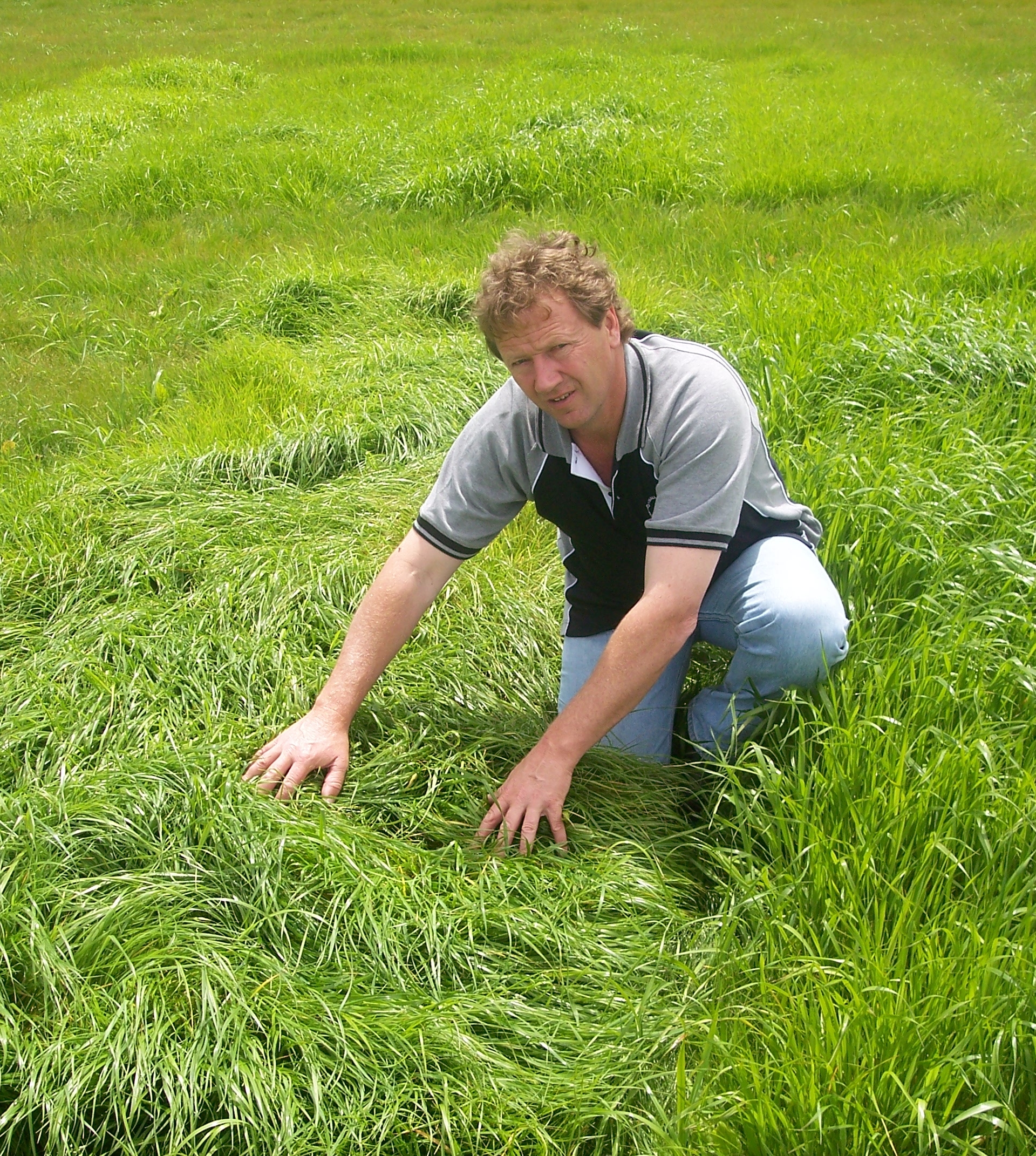
By Peter Notman
Better perennial ryegrass technology and genetics have become available to farmers in recent years. As farms plan for Autumn 2026, Peter Notman outlines the new key modern perennial options suited to high-performance grazing systems.
There are the key ryegrass heading into 2026.
Vast AR37, Elevate CM142 and Stampede CM142 represent the front edge of perennial performance currently available to farmers. Each delivers new features – such as the animal health safety & persistent CM142 endophyte, or Vasts ultra late maturity at +36 days.
Like all premium grasses these still provide strong dry matter yield, dense tillering and a leafy growth.
Elevate and Stampede both utilise the newer CM142 endophyte, delivering strong insect protection alongside excellent animal health safety. For farms wanting persistence Elevate and Stampede demonstrated persistence very well last year. They don’t compromise on livestock performance, yielding well, so that balance with animal health safety is a great feature of these two. We’re oversowing with these grasses acorss our dairy and outblock country as they are well suited to rebuilding perennial pasture density .
As you would know, Base AR37 has been a dependable performer across many environments, particularly within mixed pasture blends like our Vatbuster range in recent times. Its adaptability and consistency have made it a trusted component in a wide range of systems. Vast AR37 builds on that foundation.
Vast has been developed through the same breeders as Base (PGG Wrightsons), offering higher overall production, combined with an ultra-late heading date — approximately two weeks later than Base. Vast’s persistence has been a highlight with its density more like a diploid than a tetraploid. That later maturity extends spring quality, reduces the stemminess window and better matches grazing demand through the key September–October period.
Elevate and Stampede are our key perennial picks for the overall package of performance, persistence, endophyte profile and cost.
There’s plenty on offer in our seed sheds including 4Front, Maxsyn, Array, Reason, Legion, Three60, just to name a few.
Agronomy Considerations – Heading Date, Ploidy and Endophyte
When assessing perennial options, three agronomic factors warrant close attention:
1. Heading Date
Later heading varieties generally retain leaf quality deeper into spring, reducing the stemmy flush and maintaining metabolisable energy during peak growth. This is particularly valuable in dairy systems aiming to hold quality through mating and early lactation. Ultra-late types like Vast can provide an extended quality window where grazing management is well timed and moisture permits.
2. Ploidy
Diploids typically offer higher tiller density and ground cover, supporting pasture persistence and weed suppression. Tetraploids often bring improved palatability and intake potential due to larger cells and higher water content. Matching ploidy to soil type, grazing pressure and system intensity remains important when rebuilding the perennial base.
3. Endophyte Selection
Modern endophytes such as CM142 (released in 2024) are designed to balance insect protection with livestock safety. In regions where Argentine stem weevil or black beetle pressure exists, endophyte choice directly influences longevity. At the same time, ensuring low animal health risk protects performance and reduces management headaches. CM142 is the innovative endophyte developed by Cropmark Seeds to enhance ryegrass performance, persistence, and animal safety.
For farms looking to strengthen their perennial base, it pays to discuss variety fit, ploidy balance and endophyte options with your local Notman Pasture Seeds agronomist before seed goes in the ground.
There are still a range of grasses to meet budgets including Matrix SE, Performer Blend just to name a couple. They still offer good value for money, especially for outblocks and country that doesn’t need the best of the best.
