



Give every seed the best possible start. Halo Seed Treatment protects emerging seedlings from damaging insects during establishment, promoting stronger, more uniform pastures and forage crops.
Category: Weed & Pest Advice

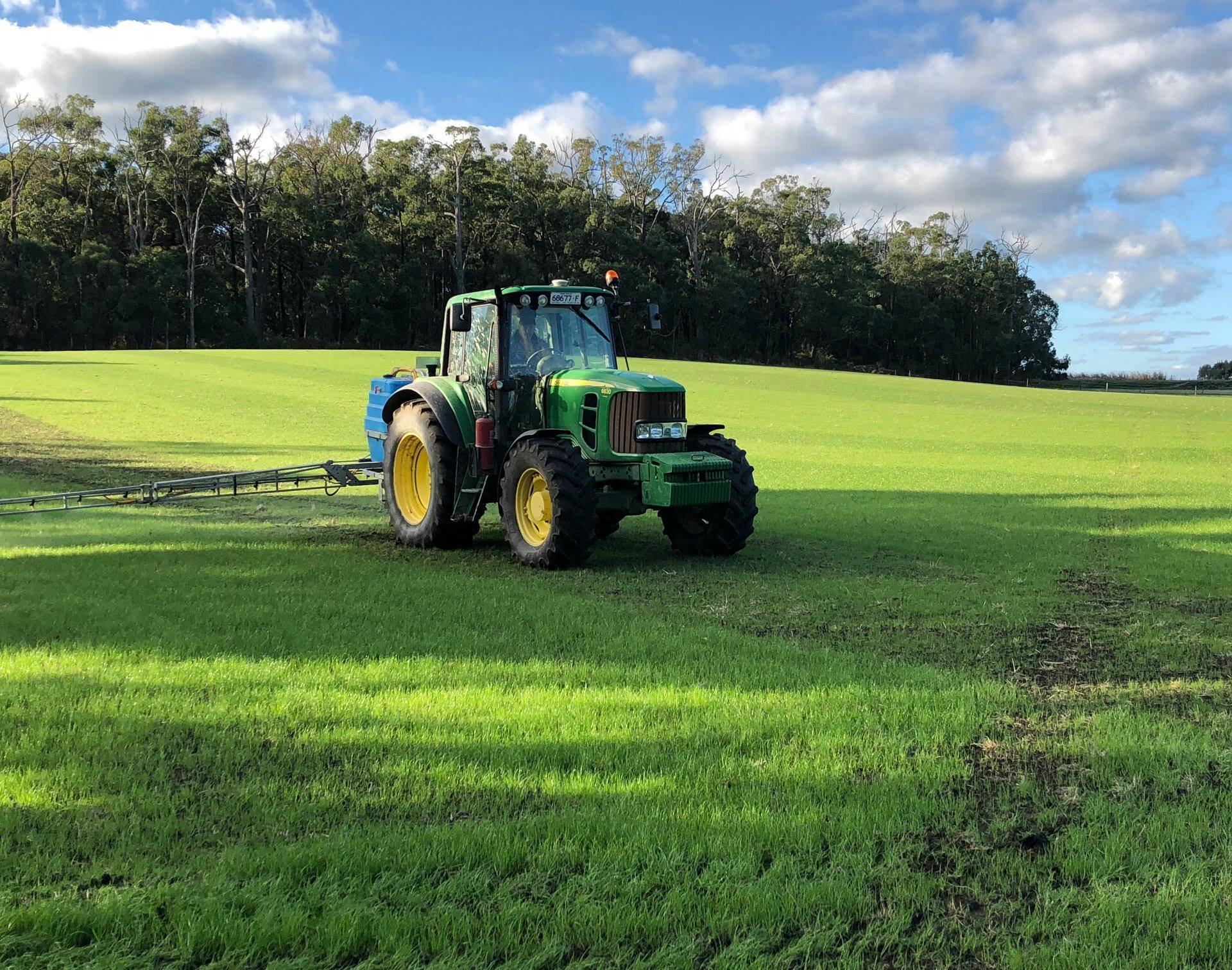
4 pasture spraying tips for May
May is often the time we kickstart spraying of grass based pastures with herbicides. Here are Notman Pasture Seeds top tips.

Must have spray additive – Trouper Spray Adjuvant
Set your autumn spray program up for success with Trouper Spray Adjuvant – trusted performance when it counts. Available now from Notman Pasture Seeds – contact our team for advice on the best tank mix options for your farm this autumn.

Reducing fog grass in pasture
Learn how to control fog grass in pastures using grazing pressure, ryegrass competition, summer cropping with trifluralin, and ethofumesate. Step-by-step guide for long-term suppression.
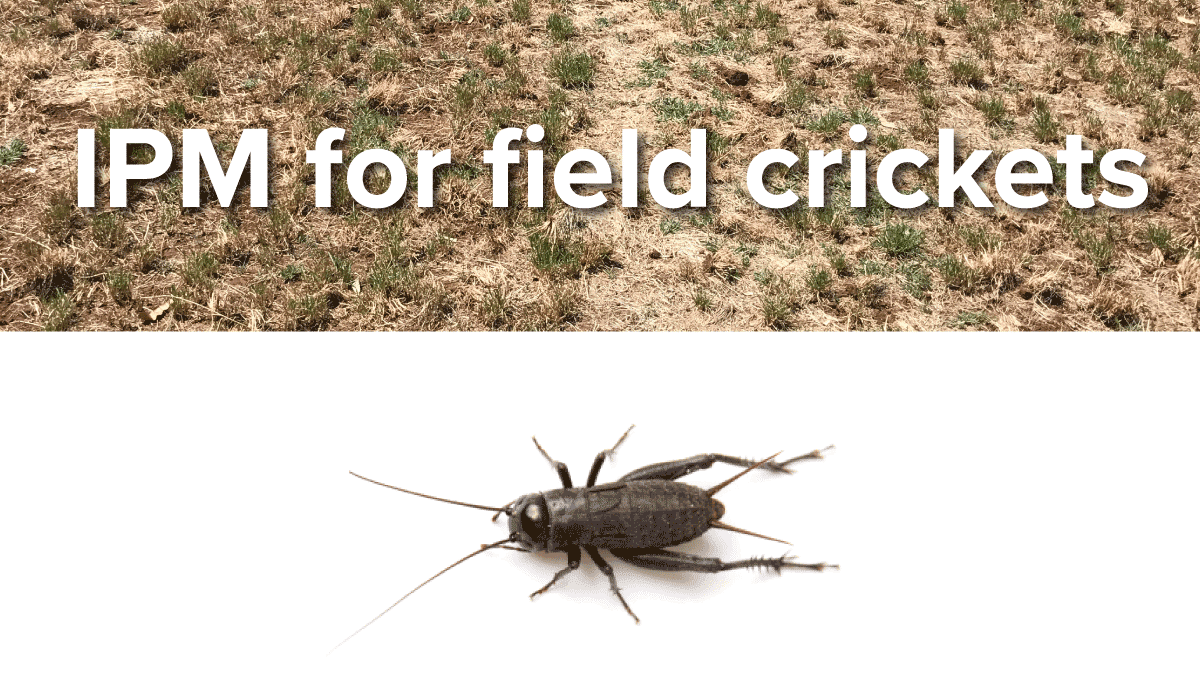
IPM approach to controlling black field crickets in pasture
Tackling any pasture pressure early is crucial in addressing on farm, including the reduction of black field cricket populations. Cricket populations can vary significantly depending on seasonal conditions, making early control strategies essential for protecting pastures.

Step by step guide to establishing turf & lawn
Establish a dense, healthy, and uniform turf on a fine, weed-free seedbed by following a step by step approach to preparation, sowing, and post-sowing care. Planning Timing: Choose the appropriate season for turf species (e.g., spring or early autumn for cool-season grasses like ryegrass, late spring for warm-season grasses like couch and kikuyu). Seed Blend Selection: Our lawn and turf seed blends include: Site Preparation Weed Control: Eliminate existing lawn and weeds using a non-selective herbicide such as Glyphosate Green 360 or a glyphosate free alternative such as Macho Duo. 6 hours before any rain. Always read label Fallow: Allow 10-14 days, which is sufficient time for herbicide to breakdown existing grasses and weeds. Clear Debris: Remove rocks, sticks, and […]

Woody Weed Management: Late spring and summer control
Farmers are well aware that woody weeds can significantly impact the productivity and persistence of pastures long term if infested with woody weeds. Late spring and early summer presents an opportunity to tackle these weeds. Why? Timing Product such as Triclopyr Picloram, Clopyralid, Metsulfuron, MCPA750 offer effective solution for managing invasive species, providing targeted long-lasting results when used correctly. Below is a guide to understanding its features, application methods, and considerations for optimal control of spring woody weeds. Triclopyr Picloram Clopyralid Metsulfuron-Methyl MCPA750 Drift Management Post Spray Management Allow weeds to remain undisturbed for optimal results. Avoid grazing, cutting for as long as possible to ensure the chemical is fully distributed and provides complete control. Conclusion Choosing the right herbicide […]

Early season weed control is a must!
By mid December most southern Victorian maize silage paddocks will have been sown, so follow up weed control checks are the next important stage to ensure farmers protect yield potential and crop net returns.

Protect hay and silage: Armyworm awareness
Armyworms are a recurring threat to hay and silage crops in southern Victoria, with potential to cause significant crop damage if left unchecked.
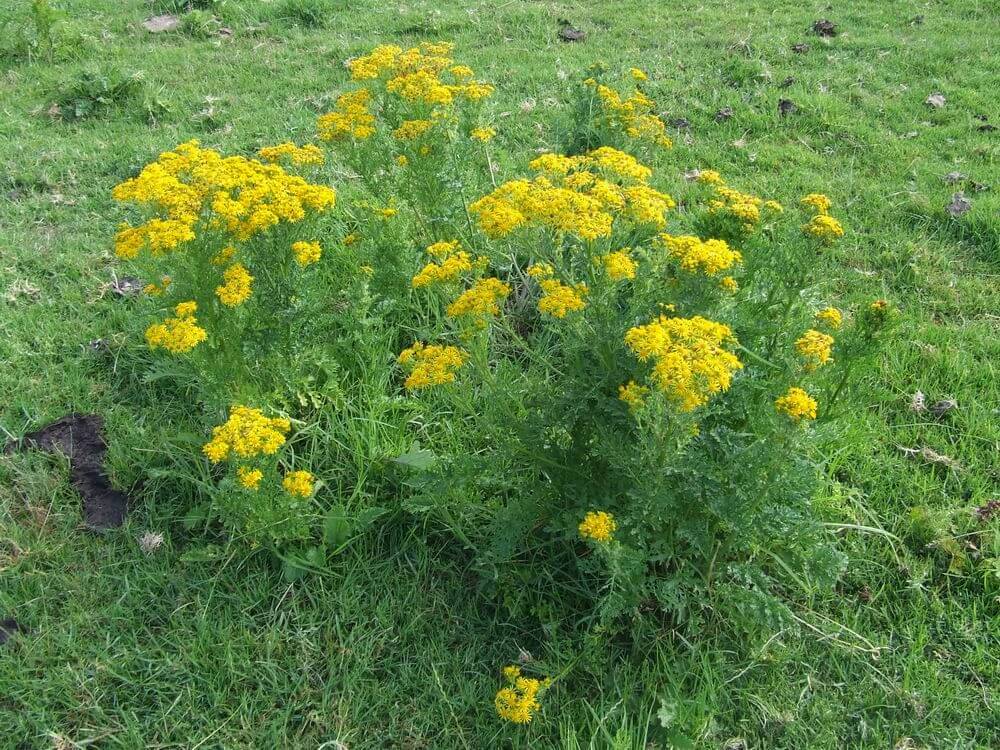
Ragwort control in southern Victoria
Notman Pasture Seeds has put together a small guide on controlling Ragwort in southern Victorian pasture such as Gippsland and south-west Victoria. Ragwort growing cycle and how to identify Ragwort, if left undisturbed, follows a distinctive two-year life cycle. In the first year, after most seeds germinate during autumn, the plant forms a low cluster of leaves near the ground, known as a rosette. By the second year, it grows upright, reaching heights of up to 1.5 meters. During this phase, it features twisted dark green leaves and vibrant yellow flowers that cluster at the ends of small branches, giving it a characteristic flat-topped appearance. However, in pastures, ragwort often exceeds this two-year life span due to interactions with grazing […]